Emergency Medical Technician ( EMT )
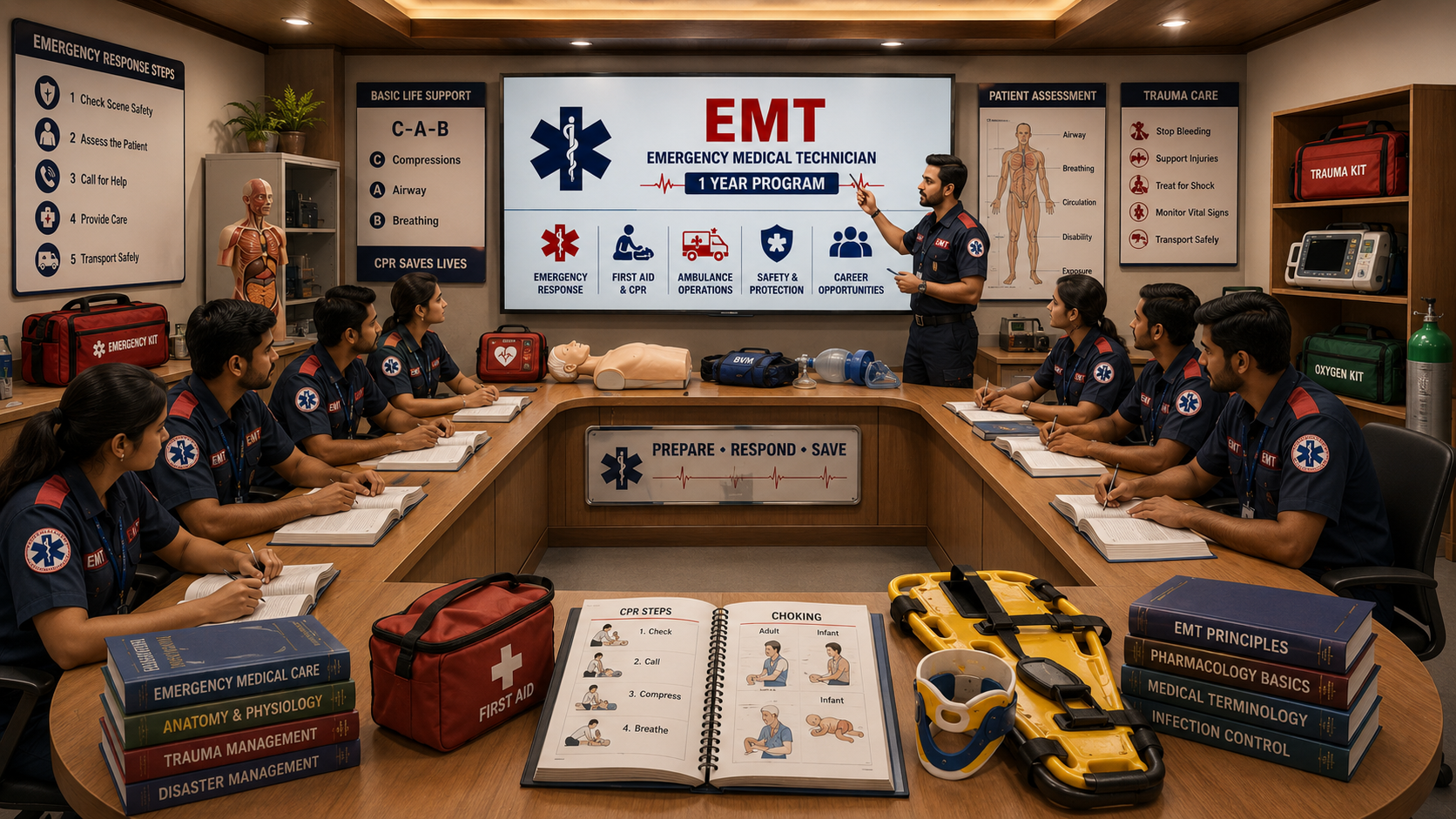
EMT (Emergency Medical Technician) is a 1-year professional healthcare program designed to provide knowledge and practical skills in emergency medical care, first aid, patient handling, trauma management, and ambulance services. The program prepares students to respond effectively during medical emergencies and assist healthcare professionals in saving lives.
About This Course
The EMT – 1 Year Program focuses on emergency healthcare services and pre-hospital patient care. The course provides theoretical and practical training in emergency response techniques, trauma care, CPR, patient transportation, disaster management, and basic life support systems.
Students learn about human anatomy, emergency medicine basics, medical equipment handling, airway management, cardiac emergencies, accident response, infection control, and patient communication. The curriculum combines classroom learning with practical demonstrations, ambulance training, hospital exposure, and emergency simulations.
The program emphasizes quick decision-making, teamwork, medical ethics, and life-saving techniques required during critical situations.
After successful completion, students can work in ambulances, hospitals, trauma centers, emergency response units, disaster management teams, clinics, and healthcare support services.
Curriculum Highlights
First Semester
EMT01 – Human Anatomy and Physiology
Basic structure and functions of the human body.
EMT02 – Fundamentals of Emergency Care
Introduction to emergency medical services and patient assessment.
EMT03 – First Aid and CPR
Basic first aid procedures and cardiopulmonary resuscitation techniques.
EMT04 – Trauma and Accident Management
Handling trauma, fractures, burns, bleeding, and accident cases.
EMT05 – Communication and Patient Handling
Professional communication and safe patient transportation methods.
Second Semester
EMT06 – Basic Life Support (BLS)
Life-saving procedures and emergency response techniques.
EMT07 – Medical Emergencies
Management of cardiac, respiratory, and diabetic emergencies.
EMT08 – Ambulance Operations and Equipment
Operation of emergency medical equipment and ambulance support systems.
EMT09 – Disaster Management and Infection Control
Emergency preparedness, disaster response, and infection prevention.
EMT10 – Clinical Training and Practical Examination
Hospital internship, ambulance training, viva, and practical assessment.
What You'll Achieve
Upon successful completion of the course, students will be able to:
✅ Understand emergency medical systems and patient assessment
✅ Provide first aid, CPR, and basic life support services
✅ Manage trauma and accident-related emergencies
✅ Assist healthcare professionals during critical situations
✅ Operate emergency medical equipment safely
✅ Develop communication and patient handling skills
✅ Respond effectively during disasters and medical emergencies
✅ Explore opportunities in ambulances, hospitals, trauma centers, and emergency healthcare services
Related Courses
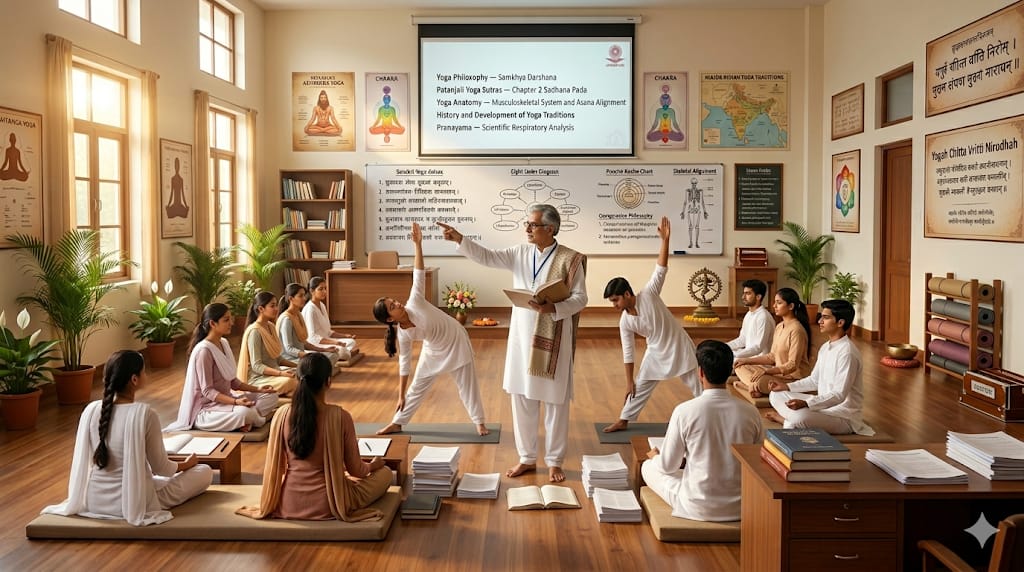
Master of Arts in Yoga (M.A. Yoga)
Master of Arts in Yoga (M.A. Yoga) is a two-year postgraduate program designed to provide advanced knowledge and practical understanding of Yoga philosophy, yogic sciences, health, research, and teaching methodologies. The course integrates traditional yogic wisdom with modern approaches to wellness and holistic development.
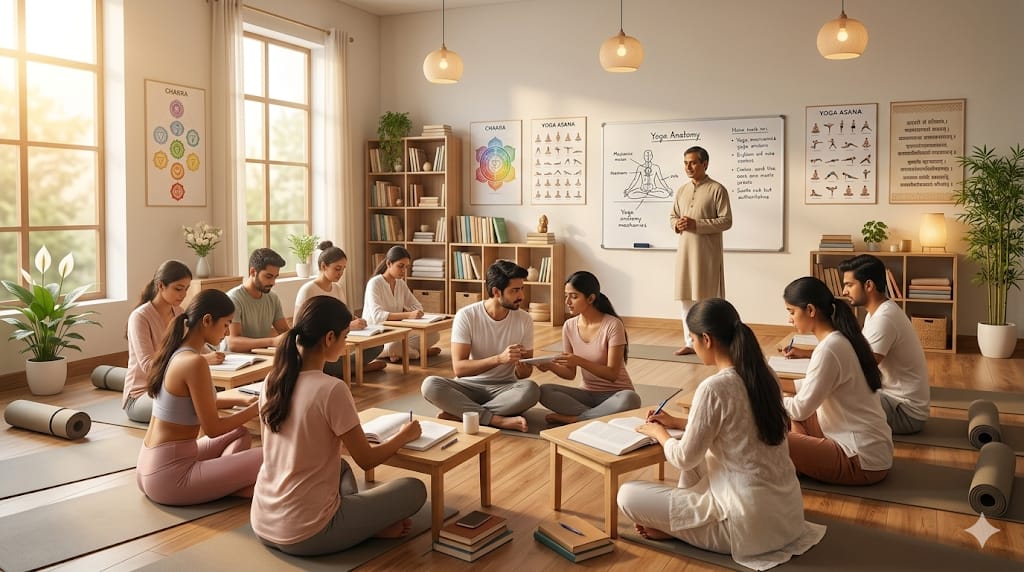
Bachelor of Arts in Yoga (B.A. Yoga)
Bachelor of Arts in Yoga (B.A. Yoga) is a 3-year undergraduate program designed to provide comprehensive knowledge of yogic sciences, yoga philosophy, health, wellness, and practical yoga techniques. The course combines theoretical understanding with practical training for personal and professional development.
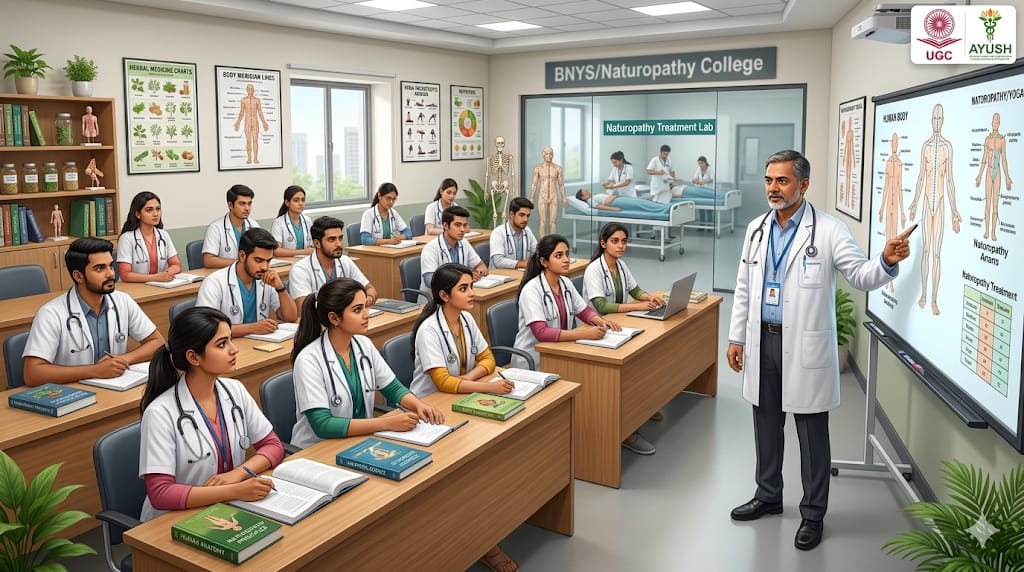
Bachelor of Naturopathy and Yogic Sciences (BNYS)
Bachelor of Naturopathy and Yogic Sciences (BNYS) is a 5.5-year undergraduate medical program integrating natural healing sciences, yoga, and modern medical subjects. The course consists of 4.5 years of academic study and 1 year of compulsory rotatory internship to provide clinical exposure and practical experience.

